Carlos Manuel de Céspedes o el padre de todos los cubanos.
¡Feliz Día de los Padres! A lo largo de la historia de Cuba han existido grandes padres/figuras paternas. Si fuera solo a mencionarlos sin preparación previa se me ocurren casi 15 nombres, pero hoy vamos a hablar de un hombre muy particular, el que dio inicio a nuestras luchas independentistas, la cara del billete de 100 pesos, el Padre de la Patria: Carlos Manuel de Céspedes.
Happy father's day! Throughout the history of Cuba there have been great fathers/fatherly figures. If I were to just mention them without prior preparation, I can think of almost 15 names, but today we are going to talk about a very particular man, the one who started our independence fights, the face of the 100 peso bill, the Father of the Nation: Carlos Manuel de Céspedes.
¿Quién era Carlos? Pues era el hijo de unos terratenientes que crecería para ser un abogado y posteriormente el mismo sería un terrateniente. Aunque su situación económica y social le hubiese permitido llevar una buena vida su sentido de la dignidad y su amor por Cuba le impedían quedarse de brazos cruzados y es así como funda y dirige la Junta Revolucionaria de Manzanillo, orientando su accionar contra de la Metrópoli española.
El 10 de octubre de 1868 convocó a todos los que como él sentían que ya era el momento de hacer algo y se tocó la Campana de La Demajagua (ingenio de su propiedad) para dar comienzo a la guerra al tiempo que se proclamaba el grito de Independencia o Muerte . Céspedes tenía todas las papeletas para pasar a la historia por su peculiar aproximación a la lucha: no sólo liberó a sus esclavos en el acto sino que LUEGO de liberarlos les ofreció sumarse ,como hombres libres e iguales, al combate contra España.
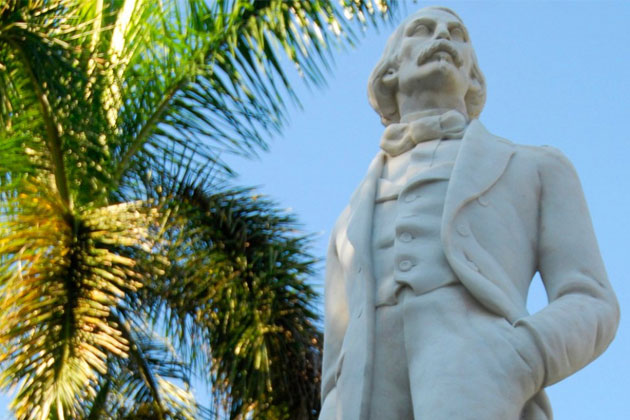
Who was Carlos? Well, he was born as the son of some rich landowners , he later would grow up to be a lawyer and after some time he himself would be a landowner. Although his economic and social situation would have allowed him to lead a good life, his sense of dignity and his love for Cuba prevented him from sitting quietly while his own people were suffering on the hands of the spanish monarchy and that is how he founded and directed the Revolutionary Board of Manzanillo, directing his actions against the Spanish Metropolis. .
On October 10, 1868, he called together all those who, like him, felt that it was time to do something and the bell at La Demajagua (a sugar mill he owned) was rung to start the war while the cry of Independence or Death . Céspedes had everything needed to go down in history for his peculiar approach to the fight: not only did he freed his slaves on the spot, but AFTER freeing them, he offered them to join , as free and equal men, in the fight against Spain.
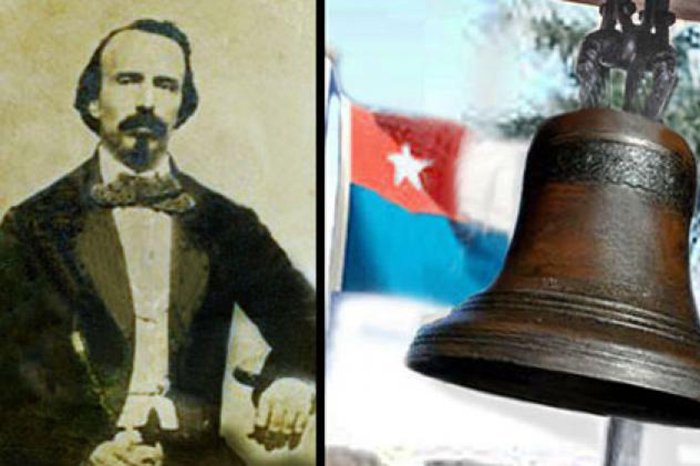
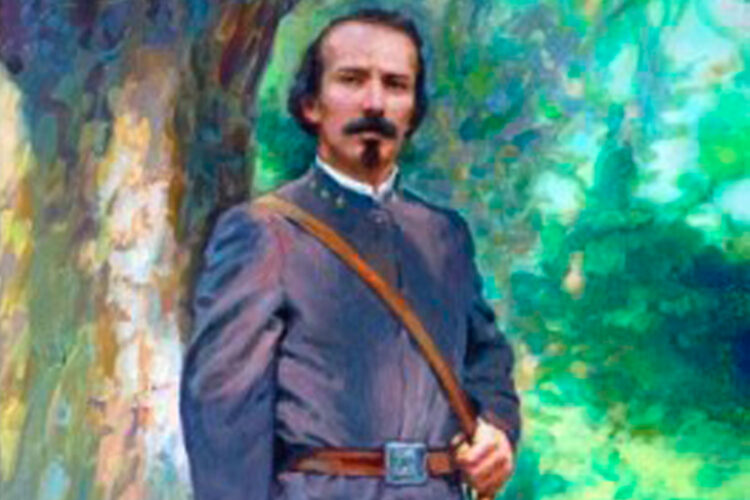
Esta es la historia de como Carlos Manuel de Céspedes pasó a ser el padre de todos los cubanos, el hombre del billete de 100 pesos y quizás, uno de los padres más atormentados de la historia de Cuba.
No olvides compartir esta publicación y me gustaría mucho recibir algún comentario de tu parte. Puedes también contactarme directamente si pones el navegador en vista de PC.
This is the story of how Carlos Manuel de Céspedes became the father of all Cubans, the man with the 100 peso bill and perhaps one of the most tormented fathers in the history of Cuba.
Don't forget to share this post and I would really like to receive some comments from you. You can also contact me directly if you put the browser in PC view.
NOTA: Todas las traducciones son hechas por mi (que no soy una profesional del campo de la traducción) así que si hay algo que no haya quedado claro o sientes que se podían haber utilizado otras palabras por favor hazme saber en los comentarios.
NOTE: All translations are done by me (I am not a professional in this field ) so if there is anything that is not clear or you feel that other words could have been used please let me know in the comments.
Comentarios
Publicar un comentario